
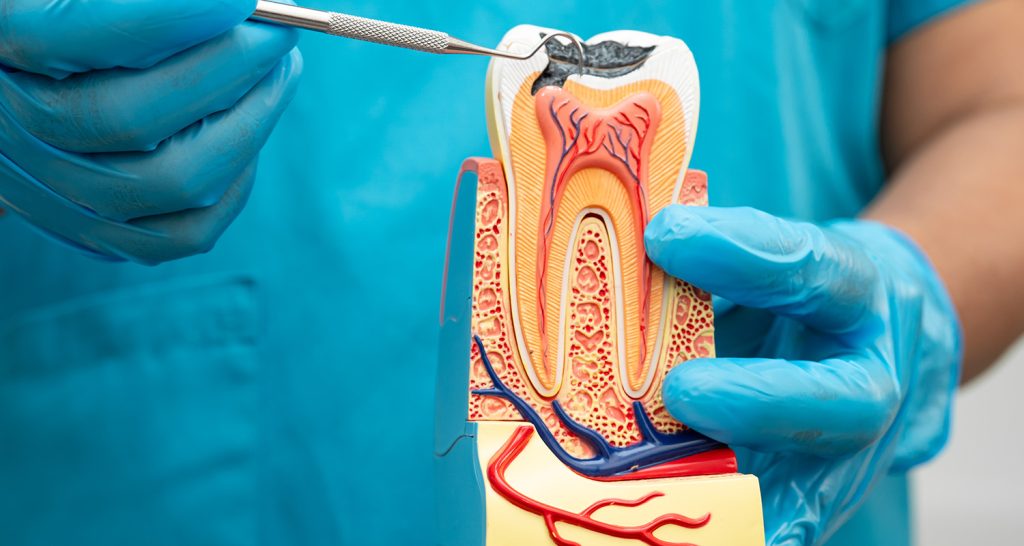
We’ve all had that moment, you feel a twinge in your tooth, maybe some sensitivity, and you think, “It’ll go away.” But when that dull ache turns into a throbbing pain, it might be more than just a passing annoyance. If the dentist tells you that you need a root canal, part of you might hesitate, fear, have busy schedules, or simply avoid it, which can make it tempting to delay. But here’s the thing: ignoring what your mouth is trying to tell you can lead to some surprising and serious consequences. And often, the cost, emotionally and physically, ends up being much higher than the care itself.
At Dental Home, we’ve seen firsthand what happens when a root canal is postponed, and it’s worth knowing what’s at stake.
Root Canal Isn’t the Villain, It’s the Solution
First, let’s clear something up: a root canal, despite the reputation, isn’t about pain. Quite the opposite, actually. It’s about relieving pain caused by an infection deep inside the tooth. When bacteria reach the pulp (the soft inner tissue), the result can be inflammation, pressure, and that familiar aching pain. The procedure cleans out the infected tissue and saves the tooth.
But when someone skips a root canal, the bacteria don’t just disappear. They continue to spread — and this is where things get serious.
Here’s What Can Happen When You Delay a Root Canal
1. The Pain Gets Worse (Not Better)
That small discomfort can turn into sharp, constant pain that interferes with eating, sleeping, and even thinking clearly.
2. Infection Can Spread Beyond the Tooth
Left untreated, the infection can move to surrounding tissues, leading to abscesses — painful pockets of pus that can become dangerous if bacteria enter the bloodstream.
3. Tooth Loss Becomes Likely
Once infection damages the inner structures of a tooth extensively, extraction becomes the only option, meaning permanent loss and additional restorative treatments later.
4. Overall Oral Health Is Compromised
In addition to pain and infection, delaying care can affect neighboring teeth and gums, leading to more extensive issues that require longer treatment times.
Why Timely Dental Care Matters
Good dental care isn’t just about clean teeth. It’s about listening to your body and reacting before small problems become big ones. A root canal is an investment in preserving your natural tooth and preventing future complications.
If you ever find yourself postponing a recommended root canal, take a moment to consider what your mouth is trying to communicate. Pain, sensitivity, and recurring discomfort are your body’s way of sending a message, and early action is always the best kind of care.
Because when it comes to your smile, prevention and timely care mean fewer surprises, less discomfort, and more peace of mind.