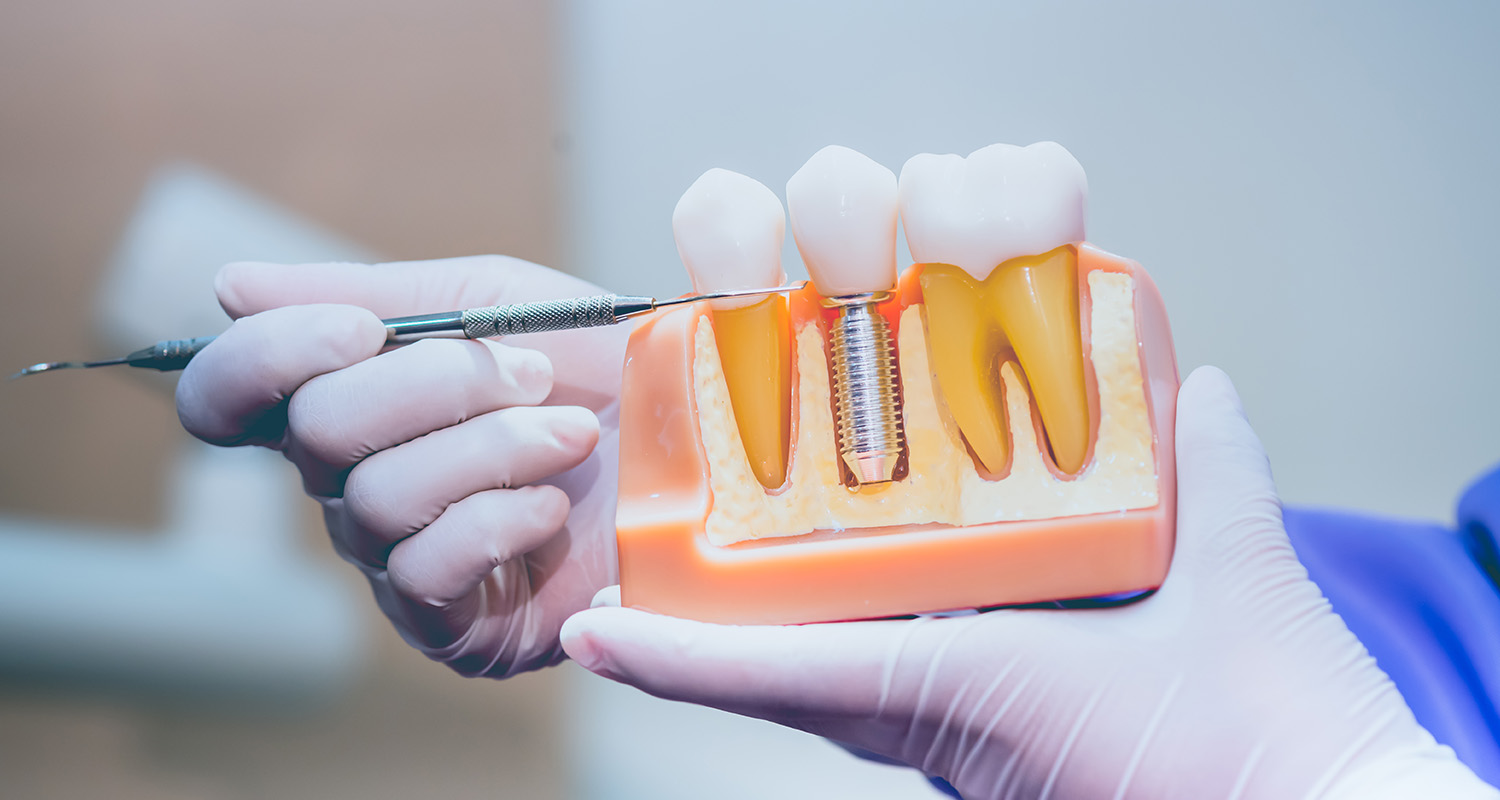

Root canal treatment usually does a better job of “saving your smile” than extraction, because it keeps your natural tooth, maintains your bite, and helps protect jawbone and facial structure in the long run. Extraction can still be the smarter choice when the tooth is too damaged or infected to save, but it often needs a follow-up replacement like an implant or bridge to avoid long-term problems.
- Do root canals really save your smile?
When a tooth is badly decayed or infected, modern dentistry does not jump straight to removing it; the first question is whether the tooth can be saved with a root canal. In this procedure, the infected nerve and pulp are carefully cleaned out, the canals are disinfected, and the tooth is sealed and later covered with a crown so you can continue chewing on it comfortably.
Because the natural root stays in place, your other teeth stay aligned, your jawbone continues to get healthy stimulation, and your smile continues to look and feel like your own.
On the other hand, extraction removes the entire tooth, root, and all. That can be a quick way to stop severe pain or infection when a tooth is too far gone, fractured below the gum, or has very poor bone support.
But once a tooth is gone, the surrounding teeth may drift into the space, chewing can become uneven, and the jawbone in that area can slowly shrink, changing the way your smile and even your face look over time.
- Root canal vs extraction: the unfiltered truth
Many people imagine root canals as “the scary option” and extraction as the simple, heroic way to rip the problem out, but the unfiltered truth is more nuanced.
With modern anaesthesia and technology, root canal treatment is usually no more uncomfortable than getting a filling, and any soreness afterwards is typically manageable with routine painkillers and gentle care. Extraction may feel faster on the day of the procedure, but the true journey includes healing time, possible swelling, and often a second phase to place an implant, bridge, or denture if you want to restore that missing tooth properly.
From a long-term perspective, preserving a restorable tooth with a root canal often turns out to be the smarter, more cost-effective choice.
Saving the tooth means you avoid the hidden costs of replacement dentistry, protect your bite, and keep your natural smile structure intact for years. Extraction followed by “no replacement for now” can look like a quick fix, but over time it may lead to bone loss, food getting trapped in the gap, and extra stress on neighbouring teeth, which can create new dental problems down the line
Comparing your options briefly
| Factor | Root canal treatment | Extraction (without / with replacement) |
| Main goal | Save and strengthen a natural tooth. | Remove a severely damaged or unsalvageable tooth.
|
| Pain & comfort | Like a filling with proper anaesthesia; mild soreness later. | Quick relief from infection, but post-op soreness and socket healing. |
| Time involved | Usually, one to two visits plus crown. | One visit for removal; extra visits if implant or bridge is planned. |
| Upfront cost | Higher than a simple extraction, but often cheaper than extraction plus implant. | Lower initial fee; total cost rises once you factor in a quality replacement. |
| Impact on jawbone | Maintains bone stimulation and facial contours. | Bone loss in the area unless replaced with an implant. |
| Impact on smile | Keeps your natural tooth and alignment. | Gap can affect appearance and chewing if not replaced. |
| Best for you when… | Tooth structure and roots are healthy enough to save. | Tooth is cracked beyond repair, roots are unsalvageable, or infection is severe. |
- Where “unfiltered truth” meets personalised care
So, which one saves your smile: a root canal or an extraction? In most cases, if the tooth can be saved safely, a root canal is the hero treatment because it quietly protects your bite, your jaw, and your long-term confidence without dramatically changing your mouth.
Extraction earns its place when a tooth is too broken, too loose, or too infected to rescue and in those situations, pairing removal with a thoughtfully planned implant or bridge can still give you a strong, beautiful result.
The guiding idea is simple:
whenever a tooth can be safely saved, it deserves a fair chance, and when it truly cannot, it should be replaced thoughtfully and precisely. The focus is on doing what is genuinely in the patient’s best interest, not just in the short term but for the way their smile, bite, and jaw stay healthy over time.
In this approach, the dentist sees every person as more than a set of teeth someone with a life, family, and daily routines that all depend on feeling confident, comfortable, and pain free.
The goal is to share honest, unfiltered truth about treatment options, whether that means a gentle root canal to preserve a natural tooth, a carefully planned extraction when saving it is no longer possible, or a long-lasting solution like implants, veneers, or advanced root canal treatment tailored to the individual smile.